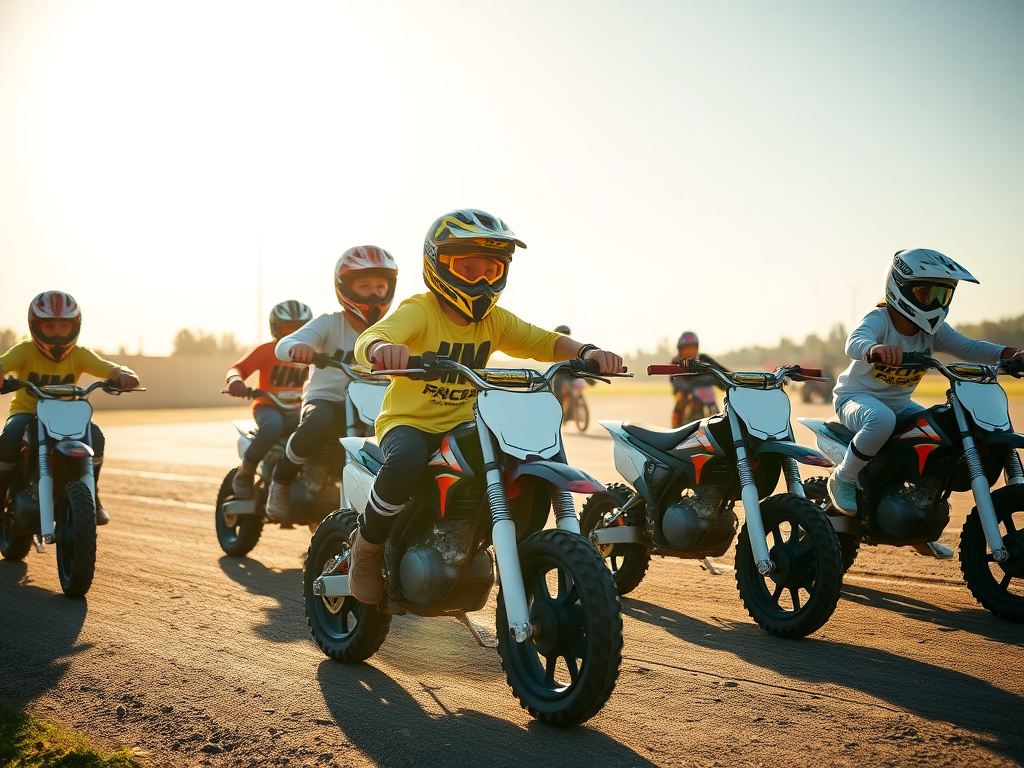
Minibike & Pit Bike Rider Liability Coverage
Rider liability coverage is the foundation almost every minibike or pit bike policy is built on — it pays for bodily injury or property damage you or your rider are found responsible for causing to someone else. Most homeowners and auto policies either exclude off-road minibikes entirely or cap coverage so low it doesn't reflect the real cost of an injury claim, which is exactly the gap this coverage is designed to close. It's different from medical payments coverage, which pays for your own rider's injuries regardless of fault — liability protects you against claims from other people.
What's Covered
- Bodily injury liability if you or your rider injure someone else while riding
- Property damage liability for someone else's vehicle, fence, structure, or land
- Contribution toward legal defense costs if you're sued after an accident
- Coverage that can extend to a listed young rider under a parent or guardian's policy
- The layer most tracks, clubs, and rental operators require before you can ride
- Protection available as a standalone policy since homeowners and auto typically won't cover it
Why Liability Coverage Is the Starting Point for Every Minibike Policy
Ask most insurance agents where to start with minibike or pit bike coverage and the answer is the same: liability first. It's the coverage that responds when your riding causes harm to someone or something that isn't you or your own bike — another rider, a bystander, a parked car, a neighbor's fence. Because minibikes and pit bikes are small, fast, and often ridden by kids still learning throttle control, the odds of an unintended collision are real, and the financial exposure from an injury claim can be significant regardless of how minor the bike itself looks.
Liability coverage doesn't protect the bike. It protects you — your finances, your legal standing, and your ability to keep riding without a claim hanging over your household. That distinction matters when you're deciding how to prioritize coverage on a budget: physical damage protects the machine, medical payments protects your own rider, and liability protects everyone else.
The Homeowners & Auto Insurance Gap
This is the single biggest misconception families and adult riders run into: homeowners insurance generally excludes or severely limits coverage for motorized vehicles used off the insured premises, and auto insurance is built for licensed, registered, street-legal vehicles — not unlicensed off-road minibikes and pit bikes. If your child rides a 70cc minibike at a friend's property, a public trail, or a local track, there's a real chance neither your homeowners nor your auto policy responds if that ride ends in an injury claim.
That gap is exactly why standalone rider liability coverage exists as its own product. It's purpose-built for exactly the vehicles and use-cases homeowners and auto carriers routinely carve out.
How Liability Differs From Medical Payments Coverage
It's easy to confuse liability and medical payments coverage because both come into play after an accident — but they respond to opposite sides of it. Liability pays when your rider is at fault and someone else is hurt or their property is damaged. Medical payments coverage pays toward your own rider's injuries, regardless of who caused the accident, with no fault determination required.
Most riders benefit from carrying both. A single accident can easily involve injuries to your own child and to another rider or bystander at the same time, and having only one side of that equation covered leaves the other exposed.
Liability and Youth Riders
Youth riders present a specific underwriting consideration for liability coverage. Age and experience level factor into how a policy is written, and many families are surprised to learn that a policy needs to specifically list the young rider — simply having a policy on the bike isn't always the same as having every possible rider covered under it. If more than one person, or more than one age group, rides the same bike, it's worth confirming exactly who's listed.
This is also where CC class matters. A parent buying a 50cc bike for a 5-year-old and a parent buying a 125cc pit bike for a teenager are underwriting very different risk profiles, even though both are technically “minibikes” in casual conversation.
What Tracks, Clubs, and Trails Require
Many organized tracks, riding clubs, and rental facilities require proof of liability coverage — sometimes with a minimum limit — before they'll let a rider on the property, particularly for group events. A signed waiver at the gate doesn't replace an actual liability policy; it's a separate document that limits the venue's own exposure, not yours.
If you plan to ride anywhere other than your own private property, it's worth checking what that venue requires in advance rather than finding out at the gate.
How Liability Limits Work
Liability coverage is typically written with separate limits for bodily injury and property damage, and those limits set the ceiling on what the policy will pay out for a single claim. Coverage limits and pricing vary by state, rider profile, and the specific policy you select — there's no single nationwide number that applies to every family or every bike, so the right limit depends on your own risk tolerance and what venues you plan to ride at.
Getting a Liability Quote
Because minibike and pit bike liability coverage sits outside standard homeowners and auto policies, it's typically written through an agency that specializes in recreational and off-road vehicles rather than a mainstream carrier's standard motorcycle line. CCA works with families and adult riders nationwide to get a liability policy in place before the bike ever leaves the garage.
Rider Liability — Common Questions
Ready for Rider Liability?
Get a fast, no-obligation quote built for your rider and your bike.