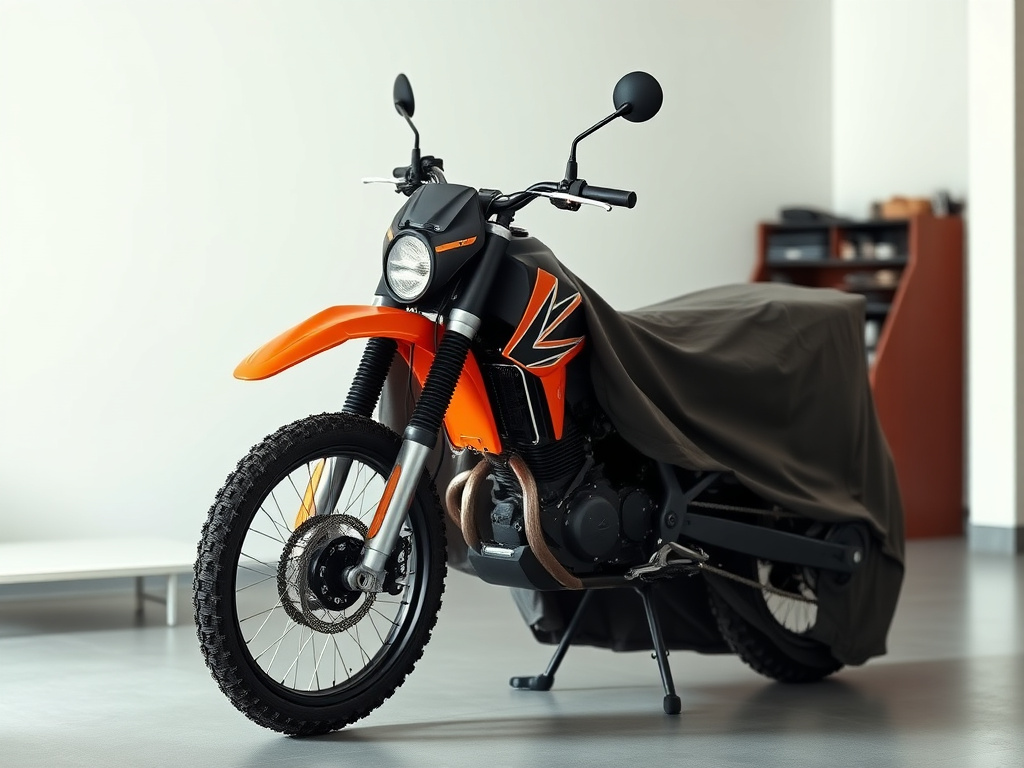
Off-Season Storage Coverage for Minibikes & Pit Bikes
Off-season storage coverage is a lower-cost, stored/non-operating endorsement for the months your minibike or pit bike sits in a garage, storage unit, or seasonal layup instead of being ridden. It's a natural fit for seasonal riders in northern climates where riding season shuts down for winter, and it's a coverage type almost no competitor addresses at all — most generic dirt bike insurance content assumes a bike is either fully active or not insured, with nothing in between.
What's Covered
- Lower-cost stored or non-operating coverage while the bike isn't being ridden
- Protection against fire, theft, and weather damage during storage
- Applicability to garage, storage unit, or seasonal layup situations
- The ability to scale coverage — and cost — down for off-season months
- A straightforward path back to full active-use coverage when riding season returns
- A useful option for northern-climate riders and multi-bike households
Why Pay Full Price for a Bike That's Not Being Ridden
A lot of riders simply keep their full active-use policy running year-round out of habit, even during months when the bike never leaves the garage. Off-season storage coverage exists because a parked bike carries a fundamentally different, generally lower, risk profile than an actively ridden one — and coverage priced around active riding risk doesn't need to apply to a bike that's sitting still for the winter.
What "Stored" or "Non-Operating" Coverage Means
Stored or non-operating coverage typically drops the riding-related exposures — collision, liability while in use, medical payments — since none of those risks apply to a bike that isn't being ridden, while keeping protection in place for the risks a parked bike still faces, like fire, theft, and weather damage. It's not a lapse in coverage; it's a scaled-down version built for the bike's actual condition during that period.
The underlying logic is straightforward: insurance pricing generally reflects the actual risk a policy is exposed to, and a bike that physically cannot be ridden because it's locked in storage simply doesn't generate collision or in-use liability risk during that stretch. A stored/non-operating endorsement is the mechanism that lets your policy reflect that lower-risk reality instead of pricing the bike as if it were still being ridden every weekend, while still keeping the theft, fire, and weather protection that a parked bike genuinely needs.
Risks a Parked Bike Still Faces
A bike sitting in storage isn't risk-free. Garage fires, burst pipes and water damage, break-ins, and even severe weather events can damage or destroy a stored bike just as easily as an active one — sometimes more so, since a bike that's not being checked on regularly may sit damaged or compromised for longer before anyone notices.
This is why dropping coverage entirely during the off-season is generally a mistake, even though full active-use coverage isn't necessary either. Off-season storage coverage is the middle ground.
Seasonal Riders in Northern Climates
Riders in states with real winters often have a genuine off-season — months where snow, ice, or simply frozen trail conditions make riding impractical. For these households, off-season storage coverage isn't a niche add-on; it's a natural fit for how the bike is actually used throughout the year, and it can meaningfully lower total annual insurance cost compared to carrying full active-use coverage twelve months a year.
Switching Between Active and Storage Coverage
The value of this coverage comes from being able to move between active and storage status as the seasons change — full coverage while you're riding regularly, storage coverage once the bike goes into layup, and back again when the weather turns. Talk to your agent about how that transition works on your specific policy so switching is simple rather than something you have to remember to actively renegotiate every season.
When to Switch Back to Active Coverage
The honest answer is: before the bike is ridden again, not after. Because stored/non-operating coverage generally drops collision and in-use liability protection, riding a bike that's still sitting on a storage endorsement means those specific risks aren't covered in the event of a crash, even if the bike is otherwise fully insured for fire and theft. The switch back to active coverage needs to happen before the first ride of the season, not once you remember to make the call a few weekends in.
Good triggers to watch for include the first planned ride of the year, a trip to an early-season event or track day, or simply the point where the bike comes out of the garage for anything beyond routine maintenance. Some families set a calendar reminder tied to their region's typical riding-season start rather than relying on memory, which is a simple way to avoid an accidental gap between when the bike starts moving again and when the policy catches up to reflect that.
Storage Location Matters
Where the bike is actually stored — a locked home garage, a rented storage unit, or an outdoor covered area — can factor into both risk and pricing. It's worth being specific with your agent about exactly how and where the bike will be stored during the off-season rather than leaving it vague.
Multi-Bike Households and Storage Coverage
Families with more than one bike — say, a younger sibling still on a 50cc bike and an older sibling who's graduated to a 110cc pit bike — often stagger active riding and storage needs across bikes and seasons. Structuring coverage so each bike can move independently between active and storage status, rather than treating the household as one uniform policy, usually makes the most financial sense.
Off-Season Storage — Common Questions
Ready for Off-Season Storage?
Get a fast, no-obligation quote built for your rider and your bike.