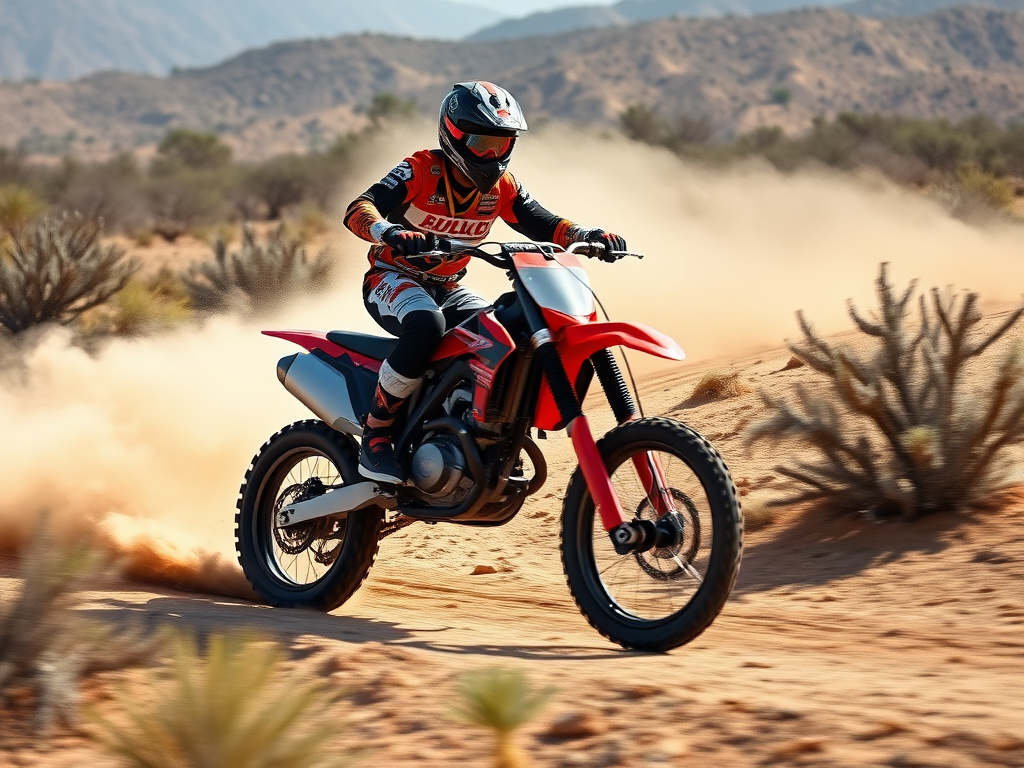
Trail & OHV Riding Coverage for Minibikes & Pit Bikes
Trail and OHV riding coverage is built for public off-highway-vehicle trails, BLM and national forest land, and designated off-road parks — a genuinely different exposure than riding on private property. Sharing public land means sharing risk with other riders whose insurance status you don't control, navigating terrain and wildlife hazards, and in many states, meeting registration or permit requirements set by whichever agency manages that land. None of that overlaps cleanly with track/competition coverage or private-property-only riding.
What's Covered
- Coverage while riding on public OHV trails and designated off-road parks
- Applicability across BLM, national forest, and state-managed off-road land
- Protection addressing risks unique to shared trail riding
- Support for state OHV registration/permit compliance where applicable
- A coverage type distinct from sanctioned track/competition use
- Availability alongside liability and medical payments coverage for full trail protection
What Makes Trail & OHV Riding a Different Risk Class
Riding a designated OHV trail or off-road park is not the same risk profile as riding in a backyard or on a private track, and it's not the same as sanctioned competition riding either. Public trail systems mix riders of wildly different skill levels and vehicle types on shared terrain, often without the structure, marshals, or controlled access a private track or organized event provides.
That combination — open access, mixed rider skill levels, and unpredictable terrain — is exactly why trail and OHV riding is underwritten as its own category rather than folded into either private-property or competition-use coverage.
Public Land, Private Risk
When you ride on public land — a state OHV park, BLM-managed desert trails, or national forest routes — you're sharing that space with strangers whose insurance status, riding experience, and equipment condition you have no visibility into or control over. If another rider without insurance causes a collision, your own coverage may be what stands between you and an uncompensated loss, which is part of why trail-specific coverage matters even for cautious, experienced riders.
This is a meaningfully different exposure than riding at a private track or in a backyard, where the people around you are typically known to your family or vetted by a club or facility. A public OHV park on a busy weekend can put your rider on the same trail system as dozens of strangers of widely varying skill levels, all making their own decisions about speed, passing, and line choice. Trail-specific liability and medical payments coverage is built with that open, unvetted environment in mind rather than the more controlled setting of a private property or organized event.
State Registration & Permit Requirements Vary
OHV registration, sticker, and permit requirements for riding on public trails vary significantly by state and by the specific land-management agency involved — what's required on BLM land in one state may differ from national forest requirements in another, and from a state park system's own rules. There isn't a single nationwide standard.
Because these rules change by jurisdiction and are set by the relevant state or federal land agency rather than by an insurance carrier, riders should verify current registration and permit requirements directly with the agency managing the specific trail system before heading out, in addition to confirming their insurance coverage is in place.
Registration and Insurance Are Two Separate Requirements
It's easy to assume that once a bike has whatever OHV sticker, plate, or permit its riding area requires, it's also “covered” — but registration and insurance are two entirely separate obligations, set by different authorities, and satisfying one doesn't satisfy the other. A state or federal land-management agency's registration or permit process exists to fund trail maintenance and confirm the vehicle is authorized to be on that land; it isn't an insurance requirement and doesn't provide any financial protection if your rider is hurt or causes harm to someone else.
Because these programs are administered locally — by a state OHV division, a specific national forest district, or a BLM field office — the paperwork, fees, and renewal cycle can look completely different from one riding area to the next, even within the same state. The practical approach is to treat them as two separate checklist items every time you plan to ride somewhere new: confirm the land-management agency's current registration or permit requirement directly with that agency, and separately confirm your insurance policy actually extends to that specific trail system or land type.
Trail Riding vs. Track Day vs. Backyard Riding
One of the clearest gaps in how most insurance content is written is that it treats all off-road riding as one bucket. In reality, backyard/private-property riding, public trail/OHV riding, and sanctioned track-day/competition riding are three distinct contexts with different risk profiles and, often, different coverage needs. A rider who does all three should make sure their policy actually reflects that rather than assuming one context automatically covers the others.
Sharing the Trail With Uninsured Riders
Because public OHV trails don't require every rider to prove insurance before entering, you can end up sharing terrain with someone who has no coverage at all. Having your own liability and medical payments coverage in place means a collision with an uninsured trail rider doesn't leave your family covering the cost alone.
Terrain and Wildlife Hazards
Public trail systems come with hazards a backyard track simply doesn't — unpredictable terrain changes, downed trees, washouts, and wildlife encounters that can cause a rider to go down even without any other vehicle involved. These single-rider incidents are a real part of trail riding's risk profile and part of why medical payments coverage pairs so naturally with trail/OHV coverage.
What to Check Before You Head to a Trail
Before heading to a new trail system, it's worth confirming three things: the land-management agency's current registration/permit requirements, whether your policy explicitly covers public trail riding versus private property only, and whether the specific trail has any posted rules around helmet or safety gear use for minors, since those requirements vary by state and by land agency.
Trail & OHV Riding — Common Questions
Ready for Trail & OHV Riding?
Get a fast, no-obligation quote built for your rider and your bike.