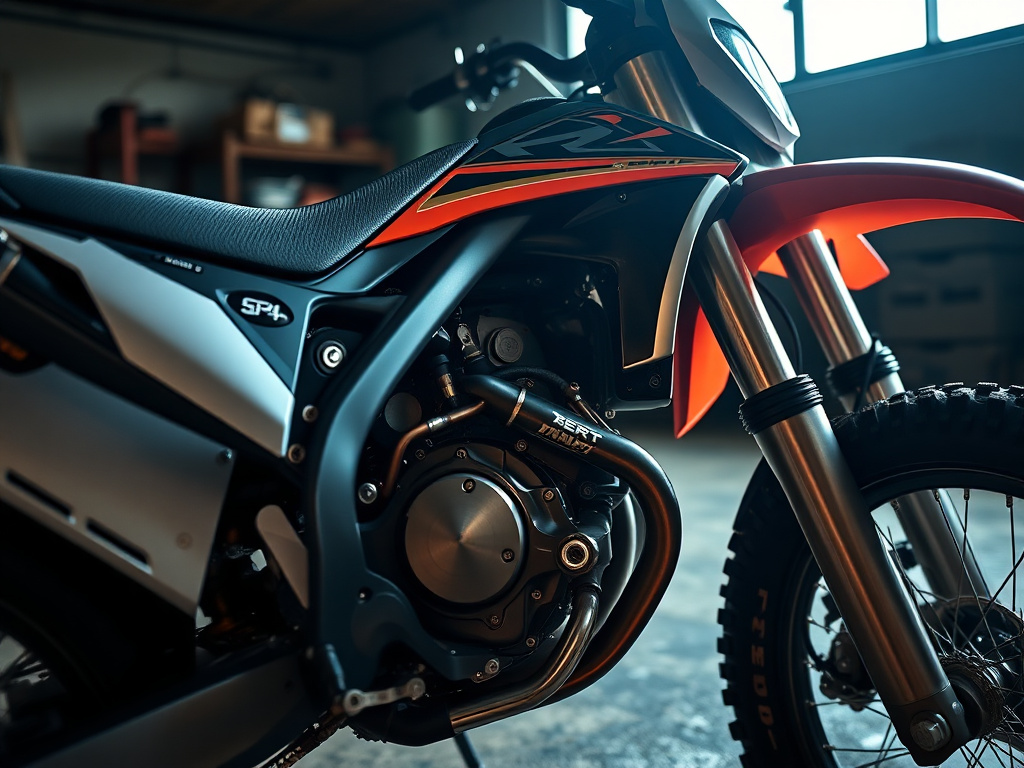
Physical Damage & Theft Coverage for Pit Bikes & Minibikes
Physical damage and theft coverage protects the bike itself — not the people around it. That means collision damage from a crash, comprehensive protection against theft, vandalism, fire, and weather, and a path to insure the aftermarket parts and accessories that often make a pit bike worth far more than its stock price tag. It's the counterpart to liability coverage: liability protects you from claims other people bring against you, while physical damage and theft coverage protects your investment in the machine.
What's Covered
- Collision coverage for crash and impact damage to the bike
- Comprehensive/theft coverage if the bike is stolen
- Vandalism protection
- Fire, weather, and other non-collision damage
- Optional scheduled coverage for aftermarket parts and accessories
- Support for total-loss valuation if the bike is damaged beyond repair
What Physical Damage & Theft Coverage Actually Protects
A minibike or pit bike isn't just a toy sitting in the garage — between the bike itself and the parts riders typically add to it, it's a real financial investment. Physical damage and theft coverage exists to protect that investment from the things that can happen to a bike whether or not anyone gets hurt: a hard crash that bends the frame, a stolen bike from a driveway or trailer, a garage fire, hail damage, or vandalism at a track parking lot.
Because homeowners policies typically exclude motorized off-road vehicles and standard auto policies don't apply to unlicensed minibikes, this coverage almost always has to be purchased as part of a dedicated minibike/pit bike policy rather than assumed under an existing policy you already have.
Collision vs. Comprehensive: What's the Difference
Collision coverage responds when the bike is damaged in a crash — hitting an object, another rider, or simply going down hard on the track or trail. Comprehensive coverage responds to almost everything else: theft, fire, vandalism, falling objects, and weather-related damage that has nothing to do with an actual riding accident.
Most physical damage policies combine both, since a bike is exposed to both categories of risk over its lifetime — the crash risk while it's being ridden, and the theft/damage risk the rest of the time it's sitting in a garage, on a trailer, or at a track.
Theft Is a Real Risk for Pit Bikes
Pit bikes and minibikes are small, light, and easy to load into the back of a truck or trailer in seconds — qualities that make them convenient for riders and, unfortunately, convenient for thieves too. Bikes get taken from driveways, open trailers, and unattended parking areas at tracks and trailheads. Theft coverage means a stolen bike isn't simply a total loss out of pocket.
Unlike a full-size street motorcycle, most minibikes and pit bikes don't have a steering lock, and many households don't bother chaining one to a fixed point the way they might a bicycle, since the bike feels more like a piece of recreational equipment than a vehicle worth securing. That casual handling is part of what makes them an easier target, and it's worth treating a pit bike with the same basic security habits — a disc lock, a visible cable, storing it out of sight from the street — you'd use on anything else valuable enough to insure.
The Aftermarket Parts & Accessories Gap
This is one of the most overlooked gaps in minibike insurance. Many pit bike owners invest heavily in upgrades — performance exhaust, suspension work, aftermarket wheels, graphics kits, and engine modifications that can add $1,500 to $4,000 or more on top of the bike's original price. A standard comprehensive claim, without additional coverage, typically values the bike closer to its stock configuration, not what you actually put into it.
Scheduling parts and accessories as part of your physical damage coverage closes that gap, so a stolen or totaled bike is valued closer to what you actually have invested in it, not just what it rolled off the showroom floor with.
Stock Value vs. Actual Investment
It's worth having an honest conversation with your agent about how your bike will be valued in a claim. Actual cash value, stated value, and scheduled/agreed value approaches all handle depreciation and upgrades differently, and the right choice depends on how much you've modified the bike and how long you plan to keep it. Getting this right before a claim happens is far easier than trying to argue valuation after the fact.
Consider a rider who bought a pit bike for roughly its stock price and then added a performance exhaust, upgraded suspension, and a new set of wheels over the following year. If that bike is stolen and the policy only tracks stock value, the payout can land well short of what the family actually has tied up in the machine — not because the insurer is acting in bad faith, but because nothing on file told them the bike was worth more than showroom stock. Scheduling those upgrades, or choosing an agreed-value structure up front, is what closes that specific gap.
How Claims Are Valued on a Modified Bike
When a modified bike is stolen or totaled, valuation generally starts with the bike's stock configuration and then accounts for whatever has been scheduled or documented as an upgrade. Parts that were disclosed and scheduled ahead of time are typically factored into the payout; upgrades that were never mentioned to the carrier often aren't, even if they're clearly bolted onto the bike in a post-loss photo. This is why the scheduling conversation matters more than most owners expect — it's not a formality, it's the mechanism that actually determines what gets paid.
Good documentation makes this process considerably smoother on both sides. Purchase receipts for aftermarket parts, dated photos of the bike after each major upgrade, and a running list of what's been added versus what came stock all give an adjuster something concrete to work from instead of having to estimate. Riders who update this file every time they add a part — rather than trying to reconstruct it after a theft or crash — tend to have the smoothest claims experience, since there's no dispute to resolve about what was actually on the bike.
How Storage and Usage Affect This Coverage
How and where a bike is stored, and how actively it's ridden, both factor into physical damage and theft underwriting. A bike ridden every weekend at a track carries different exposure than one that spends most of the year in a locked storage unit. If your bike goes into off-season layup, pairing this coverage with a dedicated off-season storage coverage plan can lower cost during the months it's not being ridden.
Filing a Physical Damage Claim
After a theft or damage event, having documentation ready — photos of the bike and any upgrades, purchase receipts for aftermarket parts, and a clear description of what happened — makes the claims process considerably smoother. Because valuation is central to a physical damage claim, the more evidence you can provide of the bike's actual condition and modifications, the more accurately it can be assessed.
Physical Damage & Theft — Common Questions
Ready for Physical Damage & Theft?
Get a fast, no-obligation quote built for your rider and your bike.