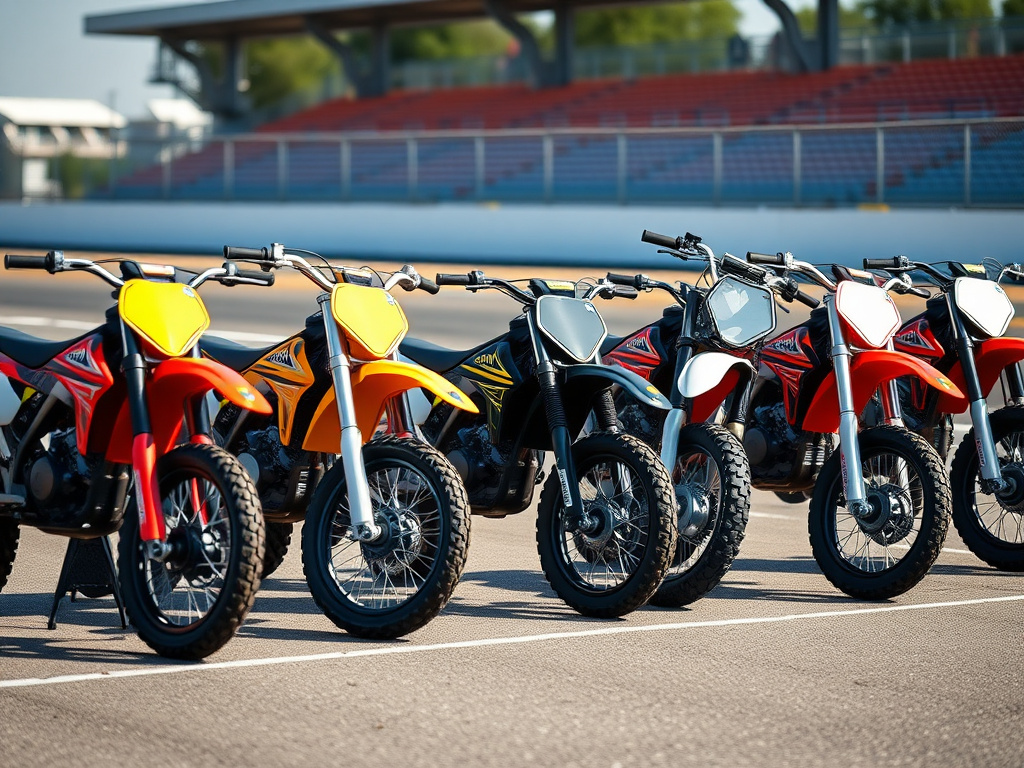
If you just bought a minibike, pit bike, or mini moto — for yourself or for your kid — you've probably already asked the question that brought you here: do I actually need insurance for this thing?
The short answer is almost always yes, for reasons that surprise most first-time buyers. It's not about a law enforcement officer pulling you over on a public road. It's about a much more common and more expensive problem: the vehicle you just bought almost certainly is not covered by any policy you already own.
This guide walks through the whole picture — why the coverage gap exists, what the different types of coverage actually do, how a bike's engine size and your rider's age factor into the picture, why where you ride matters as much as what you ride, and how to think about cost without us inventing numbers we can't back up. By the end, you'll have a clear framework for deciding what you need.
The Core Problem: You're Probably Not Covered Right Now
Most parents and riders assume that if they already carry homeowners insurance, renters insurance, or auto insurance, a minibike or pit bike sitting in the garage is "covered" the same way a lawnmower or a bicycle might be. It isn't, and the reasons are structural to how those policies are written — not an oversight you can argue your way around.
Homeowners and Renters Insurance
Homeowners and renters policies are built around your dwelling, your personal property, and a fairly narrow slice of personal liability. Most of these policies contain explicit exclusions for motorized vehicles, and that exclusion typically applies whether the vehicle is licensed for the street or not. A minibike or pit bike is a motorized vehicle. Even though it lives in your garage next to the lawn equipment, insurers generally treat it in a completely different risk category — because it's designed to be ridden fast, off-property, by inexperienced or youth riders, which is a very different exposure than a stationary appliance.
That means if your child (or a neighbor's child) is hurt riding your minibike, or if the bike is stolen out of your garage, your homeowners policy is likely to deny that claim outright, or at best offer a token payout far below what actually happened.
Auto Insurance
Auto insurance policies are built around vehicles that are licensed, registered, and legally operated on public roads. Minibikes and pit bikes are typically none of those things — many are explicitly designed and sold as off-road-only vehicles, without a VIN registration process, headlights, turn signals, or a road-legal title. Because the vehicle itself falls outside what your auto policy defines as a "covered auto," there's no mechanism for your auto carrier to extend liability, collision, or medical coverage to it, no matter how good your driving record is.
The Net Result
Put those two together and you get a real gap: a vehicle that isn't covered by your home policy because it's motorized, and isn't covered by your auto policy because it's not a registered road vehicle. That gap is exactly what dedicated minibike and pit bike insurance exists to close. It's a distinct product, not an add-on or a rider on something you already have — which is also why it's worth shopping specifically for a policy that's written for this vehicle class rather than trying to shoehorn coverage out of a generalist motorcycle carrier that doesn't really understand the difference between a pit bike and a Harley.
The 8 Types of Coverage You Should Understand
Not every rider needs every one of these, but understanding what each one actually does lets you build a policy that matches your real situation instead of guessing.
1. Rider Liability Coverage. This is the foundational layer for almost every policy. It covers bodily injury or property damage that you (or your listed rider) cause to someone else while riding — for example, if your child's minibike collides with another rider, or damages a neighbor's fence. This is usually the coverage insurers and venues mean when they ask if you're "insured" at all.
2. Physical Damage & Theft Coverage. This protects the bike itself against collision damage, theft, and vandalism. It's a different concern from liability — liability protects other people from you, physical damage protects your investment in the machine. Many pit bikes carry meaningful aftermarket upgrades (suspension, exhaust, wheels), and standard stock-value coverage may not reflect what you've actually put into the bike, so it's worth discussing how aftermarket parts and accessories get valued when you're setting up this coverage.
3. Medical Payments for Youth Riders. This is no-fault coverage for your own rider's injuries, regardless of who caused the accident. It matters more than most parents assume, because youth riders are injured at meaningfully higher rates than adult riders, and family health insurance plans frequently carry exclusions for injuries sustained during "hazardous activities" or on unregistered off-road vehicles — meaning the health plan you already pay for may not be the safety net you think it is.
4. Track-Day & Organized Event Coverage. This is one of the most commonly misunderstood gaps in the entire category. Standard motorcycle and dirt bike carriers routinely exclude sanctioned track days, races, and organized competitive events from their standard policies — even when they'll happily insure the same bike for casual trail riding. If you or your rider ever plan to compete or attend organized track days, this needs to be a specific, standalone consideration, not an assumption baked into a general policy.
5. Trail & OHV Riding Coverage. Riding on public OHV trails, BLM land, forest-service land, or a designated off-road park is a different exposure than riding in your backyard. You're sharing terrain with other riders you don't know, wildlife and terrain hazards are less predictable, and some land-management agencies have their own permit or registration expectations. This coverage is built around that specific context.
6. Club & Event Liability Coverage. If you're organizing rides, running a private track, or operating a rental/practice facility, individual rider liability isn't enough — you need coverage that protects the organization against claims from spectators, participants, and property damage. This is a commercial/organizational product, distinct from anything an individual rider policy provides.
7. Trailer & Transport Coverage. A lot of riders assume their tow vehicle's auto policy protects the bike (and the trailer) while it's being hauled to and from the track or trail. In most cases, it doesn't — auto policies are typically written around the vehicle itself, not recreational cargo. Transport coverage closes that gap for the trip, not just the destination.
8. Off-Season Storage Coverage. For riders in seasonal climates, or anyone parking the bike for an extended stretch, a stored/non-operating endorsement can be a lower-cost way to maintain protection against theft and damage while the bike isn't actively being ridden — without paying full active-use rates during months it never leaves the garage.
CC Class and Rider Age: Why It Matters for Coverage
Minibikes and pit bikes are generally grouped by engine displacement, and that grouping tends to track fairly closely with rider age and experience level:
| Engine Class | Typical Rider Age | Common Use |
|---|---|---|
| 50cc | Roughly 3–7 years old | First-bike, supervised backyard/private property riding |
| 70cc | Roughly 8–12 years old | Backyard and beginner trail riding |
| 90cc–110cc | Roughly 12–14 years old | Trail riding, early pit-bike/mini-moto use |
| 110cc–125cc+ | 14 and up (including adult riders) | Pit bike/mini moto riding, track and competition use |
This progression matters for insurance conversations for a practical reason: engine class, rider age, and intended use context all factor into how a policy gets structured. A 50cc bike ridden supervised on private property by a seven-year-old is a very different underwriting picture than a 125cc pit bike being raced at a sanctioned track day by a teenager. Neither is "wrong" — they're just different risk profiles, and being upfront about the real class of bike and the real rider age when you request a quote leads to a policy that actually matches your situation instead of one that has surprise gaps.
It's also worth noting that adult-size pit bikes and youth-size minibikes are not automatically treated identically just because they share similar engine displacement — the intended rider and typical use context factor into how coverage gets discussed, so don't assume a "youth" bike policy and an "adult pit bike" policy are interchangeable.
Track vs. Trail vs. Private Property: Why Where You Ride Changes Everything
One of the most consistent findings across the insurance industry is that where a bike is ridden changes what's covered almost as much as what the bike is. Three broad contexts show up again and again:
Private property. Riding in your own yard, a family member's land, or a similar private setting is the lowest-friction context, but "private property" is not automatically "no insurance needed." If a friend, neighbor, or their child gets hurt on your bike or your property, you can still face real liability exposure — private property reduces some risks (unknown third parties, land-management rules) but doesn't eliminate the need for coverage.
Trail and OHV riding. Public trails, off-road parks, and OHV-designated land introduce exposures private property doesn't have: other riders you don't know, unpredictable terrain and wildlife, and sometimes land-management agency permit or registration expectations. This is squarely the context trail/OHV coverage is built for.
Track day and organized events. This is the context most likely to catch riders off guard, because it's the one standard policies most commonly exclude. Sanctioned track days, races, and organized competitive events are underwritten as a distinct risk class from casual trail or private-property riding — insurers who are perfectly comfortable covering a bike for general riding will often carve out competition and sanctioned-event use entirely. If track days or racing are part of your plans, don't assume your general policy follows you onto the track; confirm it explicitly, or add dedicated event coverage.
What Drives Cost (Without Guessing at Numbers)
We're not going to hand you a specific dollar figure here, because honest premium ranges depend on real underwriting factors that vary by rider, bike, and state — anyone quoting you an exact number without asking questions first is guessing. What we can tell you is what actually moves the needle:
- Rider age and experience. Younger and less experienced riders generally represent a different risk profile than experienced adult riders.
- Engine class (CC size). Larger-displacement, higher-performance bikes typically carry different risk considerations than smaller youth bikes.
- Primary use context. Backyard-only use, trail/OHV riding, and track/competition use are treated as different exposures, as covered above.
- Coverage types and limits selected. A liability-only policy is a different cost picture than a policy that also includes physical damage, medical payments, and event coverage.
- Storage and location. Where and how the bike is stored (locked garage vs. exposed to the elements/theft) can factor into physical-damage and theft considerations.
- Claims history. As with any insurance product, a clean history generally supports better terms than a history with recent claims.
The way to get a real number is to request a quote based on your actual bike, rider, and use case — not to extrapolate from a number you saw on a forum for a completely different situation.
A Simple Decision Framework
If you're still working out what you actually need, walk through these questions in order:
- Is the bike a motorized vehicle that's not registered for street use? If yes, assume your homeowners and auto policies do not cover it, and start from there.
- Who rides it, and how old are they? This shapes both the liability conversation and whether medical payments coverage deserves priority.
- Where will it primarily be ridden? Private property, trail/OHV land, and sanctioned track/competition use each point toward different coverage priorities.
- Is the bike modified or upgraded? If you've invested in aftermarket parts, physical damage/theft coverage that accounts for that investment matters more.
- Will the bike be transported to tracks or trails regularly? If so, don't assume your tow vehicle's policy has you covered in transit.
- Are you organizing rides, running an event, or operating a track/rental? That points toward club and event liability, a different product entirely from individual rider coverage.
Answer those honestly and you'll have a much clearer picture of which of the eight coverage types above actually apply to you, rather than either over-buying coverage you don't need or leaving a real gap unaddressed.
Frequently Asked Questions
Does homeowners insurance cover a minibike or pit bike? Generally, no. Homeowners and renters policies typically exclude motorized vehicles, and that exclusion usually applies regardless of whether the vehicle is street-legal.
Does my auto insurance extend to my pit bike? Typically not. Auto policies are built around registered, road-legal vehicles. Most minibikes and pit bikes fall outside that definition, so there's no mechanism for auto coverage to extend to them.
Do I need insurance if the bike is only ridden on private property? You're not automatically required to, but riding on private property doesn't eliminate liability exposure if someone else gets hurt or the bike is damaged or stolen. Many riders still choose coverage even for private-property-only use.
Is minibike insurance required by law? Requirements vary and depend on how and where the bike is used. Regardless of legal requirement, the practical exposure — an uncovered injury or an uncovered theft — exists whether or not a law technically mandates a policy.
Does the CC size of my bike affect what coverage I should consider? Engine class is one of several factors that inform how a policy gets structured, alongside rider age and primary use context. It's not the only factor, but it's a meaningful one.
What's the difference between coverage for track days versus trail riding? Sanctioned track days and organized competitive events are generally underwritten as a separate risk category from trail/OHV riding, and standard policies often exclude competition use entirely. If you plan to do both, confirm both are actually addressed in your policy.
Get a Real Answer for Your Situation
Every rider's situation is a little different — the bike, the rider's age, where it's ridden, and what you've already invested in it all matter. Rather than guessing at what you need from a generic guide (even this one), the fastest way to get clarity is to talk it through directly. Request a free quote and walk through your specific situation with someone who understands minibike and pit bike coverage.