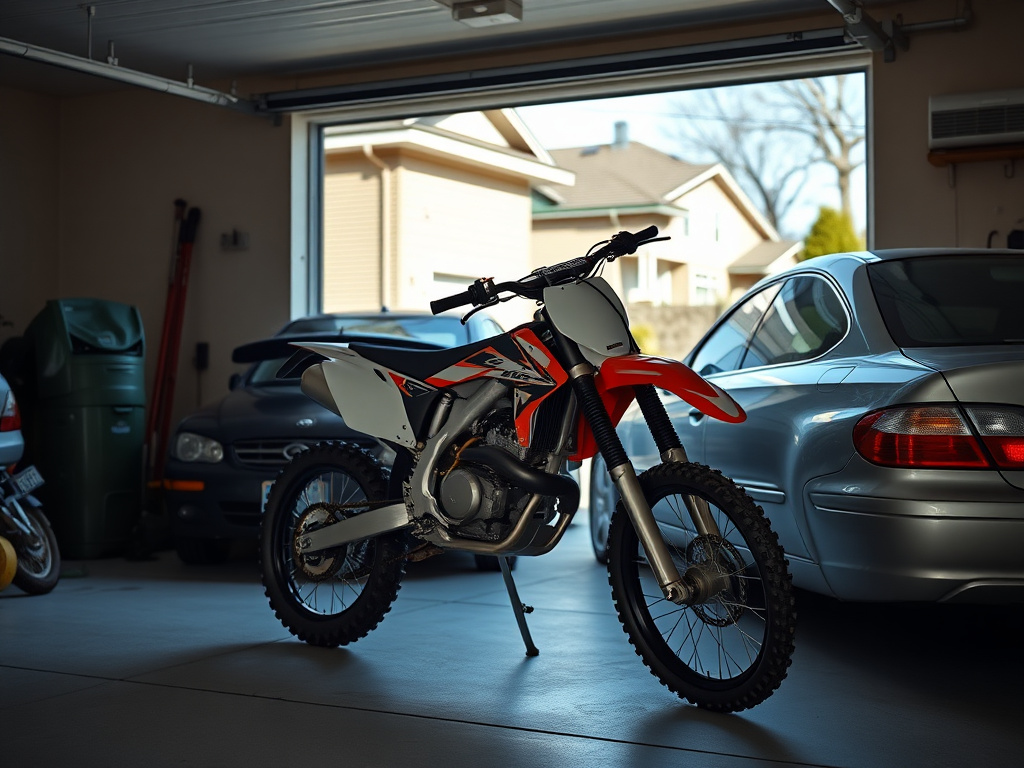
It's one of the most common — and most expensive — assumptions in the minibike and pit bike world: "We already have homeowners insurance, so we're covered if something happens." Then an accident happens, a claim gets filed, and the answer that comes back is no.
This isn't an insurance company being difficult. It's how these policies are built from the ground up. Understanding why the exclusion exists — rather than just knowing that it does — makes it much easier to see what actually needs to replace it.
What Homeowners and Renters Insurance Is Actually Designed to Do
Homeowners and renters policies exist to protect your dwelling, your personal belongings, and a defined, fairly narrow slice of personal liability connected to your home and property. They are not general-purpose "anything that happens near my house" policies, even though a lot of people use them that way in their heads.
Personal property coverage under a homeowners policy is meant for things like furniture, electronics, clothing, and other belongings — not motorized vehicles. And the liability section of a homeowners policy is written to handle everyday household risk (a slip-and-fall on your front steps, a dog bite, an accidental injury during a backyard gathering) — not the risk profile of a motorized off-road vehicle being ridden at speed.
The Motorized Vehicle Exclusion
Nearly every standard homeowners and renters policy contains a motorized vehicle exclusion. In plain terms, it says that vehicles with a motor — cars, motorcycles, ATVs, minibikes, pit bikes — are handled by a different type of insurance product entirely, and the homeowners policy simply doesn't extend to them.
This is where a lot of parents get tripped up, because the exclusion doesn't care whether the vehicle is street-legal, registered, titled, or being ridden a hundred feet from your back door. A minibike that's never left your property and has never seen a public road is still, in the eyes of a homeowners carrier, a motorized vehicle — and motorized vehicles are excluded. The exclusion is based on what the vehicle is, not where it's ridden or how fast it goes.
There are sometimes narrow carve-outs for things like low-power lawn equipment, golf carts used exclusively on the property, or motorized wheelchairs — but minibikes, pit bikes, and mini motos generally don't fall into those exceptions. They're built to be ridden fast, off-property, often by youth riders, and that's exactly the kind of exposure homeowners policies are structured to keep out.
What Homeowners Insurance Won't Pay For
Putting it plainly, here's what a standard homeowners or renters policy is unlikely to pay out for after a pit bike accident:
- Injury to another rider or a third party. If your child's pit bike collides with a neighbor's kid, or damages someone else's property, the liability section of your homeowners policy is likely to deny the claim because the incident involved an excluded motorized vehicle.
- Injury to your own rider. Homeowners policies aren't built to cover injuries to household members from vehicle accidents at all — that's not their function even without the motorized-vehicle exclusion.
- Theft or damage to the bike itself. Personal property coverage typically has specific exclusions or severe sub-limits for motorized vehicles, meaning a stolen or wrecked pit bike is unlikely to be reimbursed anywhere near its actual value, if at all.
Why Auto Insurance Doesn't Fill the Gap Either
It's a natural next assumption: "Okay, but our auto policy covers our vehicles." The problem is that auto insurance is built around a specific definition of a "covered auto" — generally a vehicle that's licensed, registered, titled, and legal to operate on public roads. Minibikes and pit bikes are frequently none of those things by design; many are explicitly marketed and sold as off-road-only vehicles without the equipment (headlights, turn signals, mirrors, a VIN registration process) that would make them road-legal in the first place.
Because the vehicle itself doesn't meet the definition of what your auto policy insures, there's no mechanism to extend liability, collision, or medical payments coverage to it — regardless of how clean your driving record is or how many vehicles you already insure with that carrier.
Health Insurance Isn't a Full Backstop Either
One more assumption worth addressing directly: "If someone gets hurt, our health insurance will cover the medical bills." Sometimes it will, but not always the way families expect. Many health insurance plans carry exclusions or limitations for injuries sustained during certain hazardous or recreational activities, and off-road motorized vehicle use can fall into that category depending on the plan. Health insurance also generally doesn't address liability if your rider injures someone else, or property damage, or the value of the bike itself — it's narrowly focused on your own family's medical costs, and even that isn't guaranteed to apply cleanly.
What Actually Fills the Gap
This is exactly the space dedicated minibike and pit bike insurance is built for — coverage written specifically for this vehicle class rather than adapted from a homeowners or auto policy that was never designed to include it. Two coverage types do most of the work in closing the accident-related gap described above:
Rider liability coverage addresses the exposure a homeowners policy's liability section can't reach: bodily injury or property damage your rider causes to someone else while riding. This is the coverage that responds if your child's pit bike hurts another rider or damages someone's property — the exact scenario a homeowners claim is likely to deny.
Medical payments coverage for youth riders addresses the injury-to-your-own-rider gap that neither homeowners insurance nor, in many cases, health insurance reliably covers. It's no-fault coverage for your rider's own injuries regardless of who caused the accident, which matters given that youth riders are injured at meaningfully higher rates than adult riders.
Beyond the accident scenario specifically, physical damage and theft coverage separately addresses the "our homeowners policy won't reimburse the bike itself" problem — protecting your investment in the machine (including upgrades and aftermarket parts) rather than leaving you to absorb that loss out of pocket.
A Quick Gap-Check
Ask yourself these three questions. If you answer "not sure" or "no" to any of them, that's a real gap, not a hypothetical one:
- If my rider caused injury to someone else on the minibike/pit bike, would my homeowners liability coverage actually respond? (Almost certainly not — motorized vehicle exclusion.)
- If my rider were injured on the bike, would our existing health insurance fully cover it without hazardous-activity exclusions? (Worth confirming directly with your health plan — don't assume.)
- If the bike were stolen or totaled, would our homeowners personal property coverage pay out anywhere close to its value? (Typically not, due to the motorized vehicle exclusion or a severe sub-limit.)
Frequently Asked Questions
Does homeowners insurance cover a pit bike accident at all? Generally, no. Standard homeowners and renters policies contain a motorized vehicle exclusion that typically applies to minibikes and pit bikes regardless of whether they're street-legal or where they're ridden.
What if the accident happened on our own private property? Location doesn't change the exclusion. The homeowners policy excludes the vehicle itself as a category, not based on where the accident occurred.
Will my auto insurance cover my kid's pit bike since I already have a policy with that carrier? Typically not. Auto policies cover vehicles that meet the definition of a "covered auto" — generally licensed and road-legal. Most minibikes and pit bikes don't meet that definition, so there's no automatic extension of coverage.
Is there any homeowners policy add-on that covers this? Some carriers offer limited endorsements for certain small motorized equipment, but minibikes and pit bikes generally fall outside what those endorsements are designed to cover. A dedicated minibike/pit bike policy is the more reliable path.
What's the single most important coverage to add if we currently have nothing? Rider liability coverage is usually the foundational starting point, since it addresses the most common and most expensive exposure — injury or damage your rider causes to someone else. From there, medical payments and physical damage coverage round out the picture based on your situation.
Close the Gap Before You Need It
The time to find out your homeowners policy won't pay a claim is before an accident happens, not after. If you're not sure what's actually covered in your situation, request a free quote and get a clear answer for your specific bike, rider, and use case.