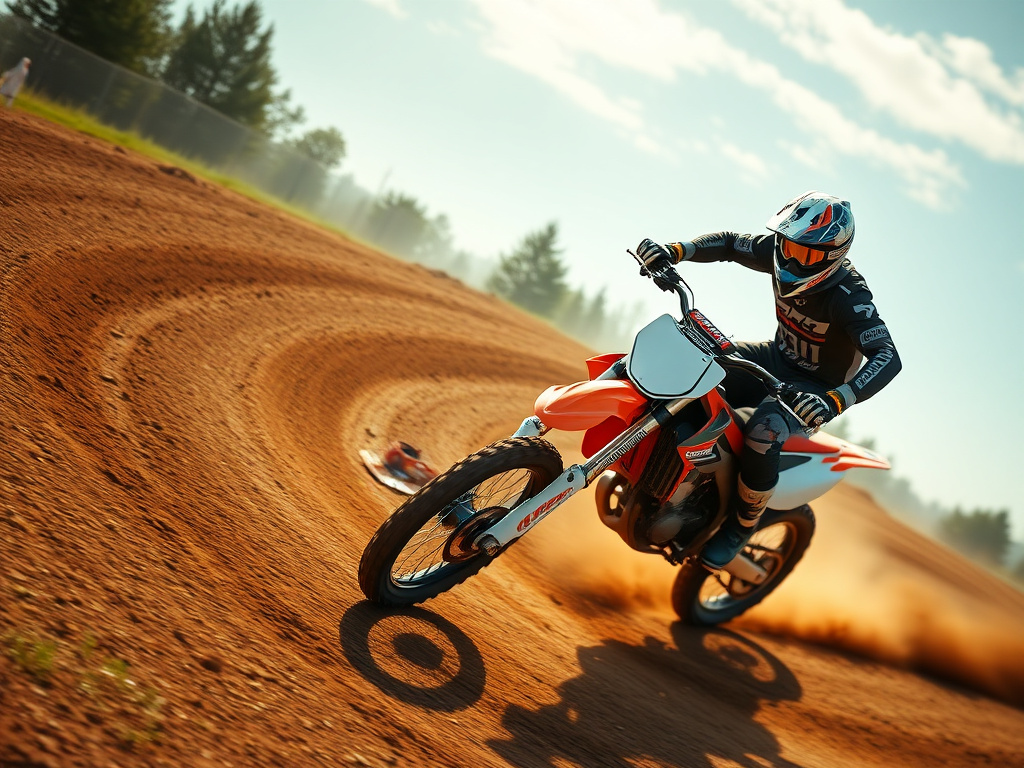
Ask most riders what determines their insurance needs and they'll talk about the bike — the CC size, whether it's new or used, maybe how fast it goes. What gets talked about far less, and matters just as much, is where the bike actually gets ridden. A pit bike that only ever does laps around a backyard, one that hits public OHV trails most weekends, and one that gets loaded up for sanctioned track days are three genuinely different risk pictures — and insurers treat them that way.
Here's how each riding context shapes what's actually covered, and what standard policies commonly miss.
Why Location Changes the Underwriting Picture
Insurance is fundamentally about risk, and risk isn't static just because the bike stays the same. A minibike ridden in a fenced backyard under direct adult supervision presents a different set of exposures than the same bike ridden on a shared public trail alongside strangers, which is different again from that bike being pushed to its limits in a timed, competitive event alongside other racers. Speed, supervision, third-party exposure, and terrain all shift depending on where the riding actually happens — and each of those factors feeds into how a policy is built.
This is exactly why a one-size-fits-all approach to minibike insurance tends to leave gaps. A policy built around casual, private-property riding may not extend to trail use, and it's very unlikely to extend to sanctioned competitive events — not because the insurer is being difficult, but because those are genuinely different risk categories.
Backyard and Private Property Riding
This is where most minibike riders start, and it's the lowest-friction context in terms of third-party exposure — you generally know everyone who's on the property, and there's no shared-trail unpredictability to account for.
What's different here: Fewer unknown-third-party risks, direct adult supervision is common, and terrain is generally familiar and controlled.
What doesn't go away: Private property does not mean "no liability exposure." If a friend, a neighbor's kid, or a visiting relative gets hurt on your minibike — even in your own backyard — you can still face a real liability claim. And private property riding doesn't change the fact that homeowners insurance still excludes the vehicle itself; the exclusion is based on what the vehicle is, not where it's ridden.
What to prioritize: Rider liability coverage (for injury to guests or their property) and medical payments coverage (for your own rider) are typically the most relevant starting points for backyard-only riders, even before considering trail or track-specific coverage.
Trail and OHV Riding
Once a rider starts venturing onto public OHV trails, designated off-road parks, or BLM/forest-service land, the risk picture shifts meaningfully.
What's different here: You're sharing terrain with riders you don't know and can't control, terrain and wildlife hazards are less predictable than a familiar backyard, and some land-management agencies have their own permit, registration, or usage expectations that vary by location.
Why standard coverage can fall short: A policy built around the assumption of private-property-only use may not have been structured with public trail exposure in mind. This isn't necessarily a hard exclusion the way track/competition use often is, but it's a context worth confirming explicitly rather than assuming your existing policy automatically extends to it.
What to prioritize: Trail and OHV-specific coverage is built around this exact exposure — shared terrain, third-party riders, and the realities of public or semi-public land use. If your rider has moved from backyard-only to regular trail riding, this is the point to revisit your coverage rather than assuming nothing has changed.
Track Day and Organized Events
This is the context most likely to catch riders off guard, and it's one of the clearest, most consistently documented gaps in standard motorcycle and dirt bike insurance.
What's different here: Sanctioned track days, races, and organized competitive events involve higher speeds, timed or competitive riding, and a fundamentally different risk profile than casual riding — even on the exact same bike, with the exact same rider, that's otherwise covered for general use.
Why standard coverage falls short: Multiple mainstream motorcycle and dirt bike insurers explicitly exclude sanctioned track/competition events from their standard policies, even when they're comfortable covering the same rider and bike for casual trail or private-property use. This isn't a minor fine-print detail — it's a well-established industry pattern. A rider who assumes "I'm insured, so I'm covered at the track" can find out the hard way, after an incident, that competitive and organized-event use was carved out from day one.
What to prioritize: Track-day and organized-event coverage is a distinct, standalone product built specifically for this use case. If track days, races, or organized competitive riding are part of your plans — even occasionally, not just as a serious racer — this needs to be addressed directly rather than assumed to be included.
Club, Rental, and Private Track Operations
There's a fourth context worth naming separately, because it's not an individual-rider situation at all: riding clubs, private track operators, and rental/practice facilities.
What's different here: If you're organizing group rides, hosting riders on a private track, or renting out bikes or track time, you're not just managing your own risk — you're managing exposure from participants, spectators, and property. That's an organizational liability question, not an individual rider policy question.
What to prioritize: Club and event liability coverage is built for exactly this — protecting the organization or operator against claims from third parties involved in the event, separate from any individual rider's personal coverage.
Putting It Together: A Simple Way to Think About It
| Context | Primary Exposure | Coverage to Prioritize |
|---|---|---|
| Backyard / private property | Liability to guests, own-rider injury | Rider liability, medical payments |
| Trail / OHV | Third-party riders, terrain/wildlife, land rules | Trail/OHV coverage |
| Track day / organized event | Commonly excluded from standard policies | Track-day/event coverage |
| Club, rental, or private track operation | Organizational liability to participants/spectators | Club & event liability coverage |
A lot of riders move across more than one of these contexts — a bike that's mostly a backyard bike but occasionally goes to a trail, or a rider who trail-rides most weekends but signs up for a handful of organized track days a year. The right approach isn't to pick one category and hope it covers everything; it's to be honest about the actual mix of where the bike gets ridden and build coverage around that real pattern.
Frequently Asked Questions
Does my policy automatically cover me at a sanctioned track day or race? Not necessarily, and often not at all. Sanctioned track/competition events are commonly excluded from standard motorcycle and dirt bike policies, even when general riding is covered. Confirm this explicitly rather than assuming.
Is riding on private property automatically covered, or do I still need a policy? Private property reduces some exposures (unknown third parties, land-management rules) but doesn't eliminate liability risk if someone else is hurt or the bike is damaged or stolen. Coverage is still worth having.
What's different about insurance for public OHV trails versus a private track? Public trails introduce shared, unpredictable terrain and unknown third-party riders. A private track used for organized or competitive riding shifts into the track-day/event category, which standard policies commonly exclude.
Do I need separate coverage for a rental track or a friend's private track? If you're operating or organizing at that facility, club/event liability coverage is the relevant product. If you're simply riding there as a guest, your individual rider coverage and whether the activity counts as an "organized event" both matter.
If I mostly ride the backyard but occasionally do a track day, what should I prioritize? Address both: rider liability and medical payments for your typical backyard use, plus dedicated track-day/event coverage for the occasions you do attend organized events — don't assume the backyard-oriented coverage follows you onto the track.
Get Coverage That Matches Where You Actually Ride
The riding context you actually use — not just the bike you own — is one of the biggest factors in getting the right policy. Request a free quote built around your real mix of backyard, trail, and track riding.