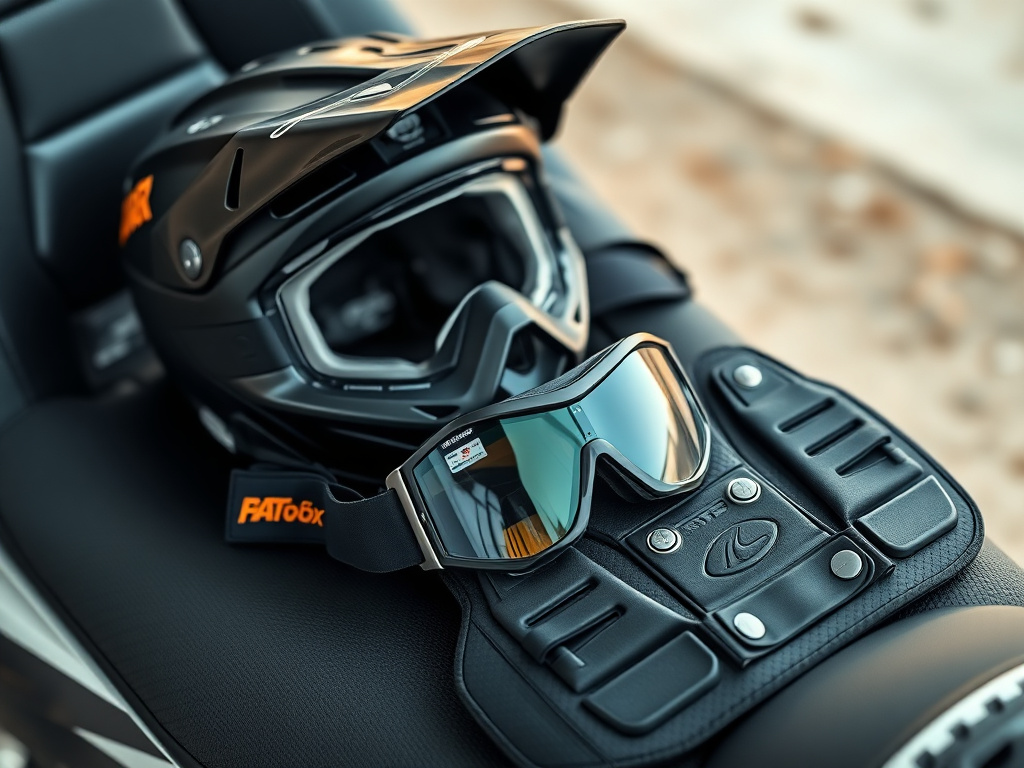
Before you request an insurance quote for your child's minibike or pit bike, there's a conversation worth having first: what does responsible, compliant riding actually look like for your rider, in your state, in the context they'll be riding in? Helmet and safety gear expectations aren't one-size-fits-all — they shift depending on where you live and where the bike is being ridden — and getting familiar with the general landscape helps you make better decisions before an incident happens, not after.
This isn't a state-by-state legal citation list — laws vary enough by state and by riding context that a general guide like this one can't responsibly promise to be your state's exact current statute. What it can do is walk through the general landscape, why it varies so much, and why it matters for insurance and safety alike.
Why Helmet and Gear Rules Aren't Uniform
Helmet and safety gear requirements for off-road and youth riders generally come from a patchwork of sources, not one single national standard:
- State motor vehicle and traffic law, which typically governs public roads and, in many states, has separate provisions specifically for off-highway or off-road vehicles.
- State off-highway vehicle (OHV) programs, which often set their own equipment and safety requirements for riders using public trails, OHV parks, and designated off-road areas — separate from general traffic law.
- Land manager and facility rules, which can add requirements beyond state law — a public OHV park, a private track, or an organized event may all set their own gear rules as a condition of use, independent of what state law technically requires.
- Age-based provisions, which many states apply specifically to riders under 18, sometimes with stricter requirements than what applies to adult riders on the same vehicle.
Because these sources layer on top of each other, and because both state law and specific venue rules change over time, the honest answer to "what's required for my kid to ride" is: it depends on your state, the type of vehicle, the rider's age, and where exactly the riding happens. That's exactly why a general national guide can point you toward the right questions to ask, but can't substitute for confirming your specific state's current requirements and your riding venue's specific rules.
The General Pattern Across Riding Contexts
While the specifics vary, a few broad patterns tend to hold across most states and most riding contexts:
Public roads. In the rare case a minibike or pit bike is being operated on a public road (most aren't legally equipped to be), helmet and equipment requirements are typically governed by standard state traffic and motorcycle helmet law — which itself varies significantly by state, from universal helmet requirements to age-based requirements to no requirement at all for adult riders.
Public OHV trails and off-road parks. Many states with dedicated off-highway vehicle programs impose their own safety equipment requirements for riders on public OHV land, and it's common for these to include specific, often stricter provisions for riders under 18 — sometimes a universal youth helmet requirement even in states where adult helmet law is more relaxed elsewhere.
Private tracks and organized events. Sanctioned tracks, organized events, and competitive riding venues frequently set their own gear requirements as a condition of entry or participation — full helmet, boots, gloves, and protective gear are commonly required by the facility or event organizer regardless of what state law technically mandates for that context. In practice, these venue-level requirements are often stricter than the legal minimum.
Private property. This is generally the context with the least direct government regulation — riding in your own yard on your own land is less likely to be governed by a specific state gear statute the way public trail or road riding is. That said, "less regulated" doesn't mean "no reason for gear" — see below.
Why This Matters Beyond "Following the Law"
It's tempting to treat helmet and gear rules purely as a legal compliance checkbox — something to satisfy so you don't get in trouble. But there are two more practical reasons this matters for families insuring a minibike or pit bike:
Youth riders are injured at meaningfully higher rates than adult riders. This isn't a scare tactic — it reflects a real, well-documented pattern in off-road and motorsports safety data. Younger, less experienced riders are statistically more likely to be involved in incidents, which is exactly why proper gear (regardless of whether it's legally mandated in your specific context) is one of the most direct things a family can control.
Some claims processes may ask about gear and circumstances. While requirements vary by policy and insurer, it's reasonable to expect that an insurer processing an injury claim may ask about the circumstances of the incident, including safety equipment in use at the time. Understanding your policy's specific expectations — and simply having your rider properly geared up as standard practice — reduces both the physical risk and any friction in a claims conversation later.
What Responsible Gear Looks Like, Generally
Independent of the specific legal requirement in your state and riding context, a reasonable baseline for youth off-road riding generally includes:
- A properly fitted helmet rated for motorsports/off-road use (not a bicycle helmet, which is built for a different type of impact)
- Eye protection (goggles or a helmet with an integrated visor)
- Gloves
- Over-the-ankle boots designed for off-road riding
- Long sleeves and pants, ideally with some level of impact protection (knee/elbow guards, a chest protector for more aggressive riding)
This isn't a legal requirement in every context, but it reflects what most riding facilities, coaches, and youth riding programs treat as a sensible standard regardless of what the minimum legal bar happens to be where you live.
What to Actually Do Before You Insure a Minibike
Rather than relying on a general guide (including this one) for your state's exact current requirements, here's the practical path:
- Check your state's OHV or motor vehicle agency directly for current off-highway vehicle equipment and helmet requirements, especially any age-based provisions for riders under 18.
- Check the specific rules of wherever your rider will actually ride — a public OHV park, a private track, or an organized event may have gear requirements beyond what state law technically mandates.
- Confirm what your insurance policy expects or asks about regarding safety equipment, so there are no surprises if a claim is ever filed.
- Set a family standard that meets or exceeds whatever the legal minimum turns out to be, given how consistently youth riders show up in injury data at higher rates than adult riders.
Frequently Asked Questions
Do I need to prove my rider was wearing a helmet or safety gear to file a claim? Requirements vary by policy and by insurer. It's reasonable to expect an insurer may ask about the circumstances of an incident, including safety gear in use, as part of processing a claim. Confirm your specific policy's expectations directly, and treat proper gear as standard practice regardless.
What helmet and safety gear are legally required for youth off-road riders in my state? This varies meaningfully by state, and often further by riding context (public road vs. OHV trail vs. private property vs. organized event). Check your state's motor vehicle or OHV agency directly for current requirements — a general national guide can't responsibly cite a specific state's current statute.
Are helmet requirements different for kids than for adults? In many states with off-highway vehicle programs, yes — youth riders (commonly under 18) are subject to stricter or universal helmet requirements in contexts where adult riders may face a more relaxed standard. This varies by state.
Do private tracks and organized events have their own gear rules separate from state law? Very commonly, yes. Many facilities and event organizers set their own gear requirements as a condition of participation, and these are often stricter than the general legal minimum for that location.
Does riding on private property mean gear isn't required? Private property is generally the least directly regulated context, but that doesn't mean gear isn't a good idea — youth riders are injured at meaningfully higher rates than adults regardless of location, and proper gear is one of the most direct risk-reduction steps a family controls.
Ride Prepared, Insure Accordingly
Understanding your state's rules and your rider's actual gear habits helps you have a more informed conversation about coverage — and helps keep your rider safer in the process. Request a free quote to talk through what coverage makes sense for your family's specific situation.